Marketing in the News
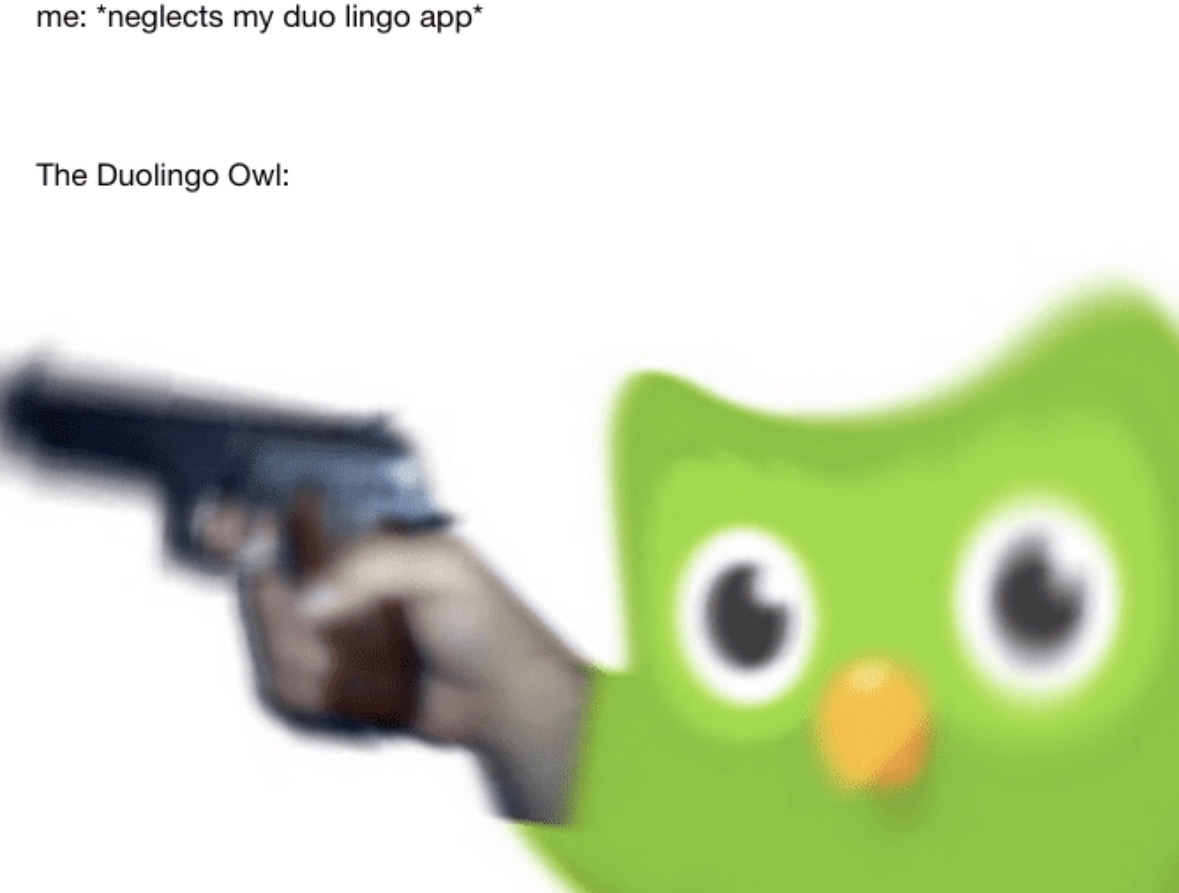
I was interested in this specific article primarily because of how impossible it is to ignore Duolingo's presence on social media lately. As someone who scrolls through TikTok almost daily, I keep seeing their unhinged, meme-heavy mascot "Duo the Owl" pulling off bizarre stunts. When I spotted this recent marketing case study, it caught my attention because it shows how an educational app turned basic push notifications into a cultural phenomenon. It’s a brilliant real-world example for our class of how brands can break traditional advertising rules.
The article I read, featured on Marketing Dive (you can read the full piece here: Marketing Dive Duolingo Article), covers Duolingo's massive shift toward unscripted, highly viral social media marketing. The three main takeaways from the article are: First, Duolingo completely abandoned stiff corporate advertising in favor of internet humor and self-aware absurdity centered around their green owl mascot. Second, they successfully leveraged short-form video algorithms on TikTok and Instagram Reels to reach millions of users organically without spending millions on traditional TV ads. Third, they transformed annoying user habits—like missing a language lesson—into viral jokes that actually increased daily active user retention.
The value proposition of Duolingo as an organization is making language learning free, accessible, and gamified for everyone across the globe through bite-sized, interactive daily lessons. You can check out their platform on their official site here: Duolingo Official Website.
This entire strategy is a textbook example of a major promotional shift and brand repositioning. Instead of marketing themselves as a dry, serious educational software, Duolingo rebranded as an entertaining, slightly unhinged lifestyle brand. By leaning into internet culture and memes, they changed the entire perception of what an educational app's promotional mix should look like.
However, the brand faces some unique challenges. They compete against heavyweights in the e-learning space like Babbel and Rosetta Stone, as well as endless free YouTube language channels. Their biggest ongoing challenge is keeping the viral momentum alive without fatiguing their audience or having the "evil owl" joke become old and annoying.
What makes Duolingo’s approach truly unique is their willingness to lean into negative consumer stereotypes—like the guilt-tripping reminder notification—and turn it into comedy. Their target buyer persona is "The Digital Native & Meme-Loving Student"—typically 16 to 30 years old, glued to social media, and easily bored by traditional educational tools, but highly responsive to humor and gamification.
Critiquing their marketing solution through what we’ve learned in class about promotional strategy and consumer engagement, I think their approach is mostly brilliant. The strength lies in their organic reach; they get millions of views for free because users share their funny videos voluntarily. The risk, however, is brand safety—if a joke goes too far or offends someone, it could spark a PR headache.
Ultimately, what I learned from this article is that modern marketing requires brands to stop talking at consumers and start participating with them in their digital culture, proving that even a language app can become a viral internet celebrity if it masters the right promotional tone.

Comments
Post a Comment